
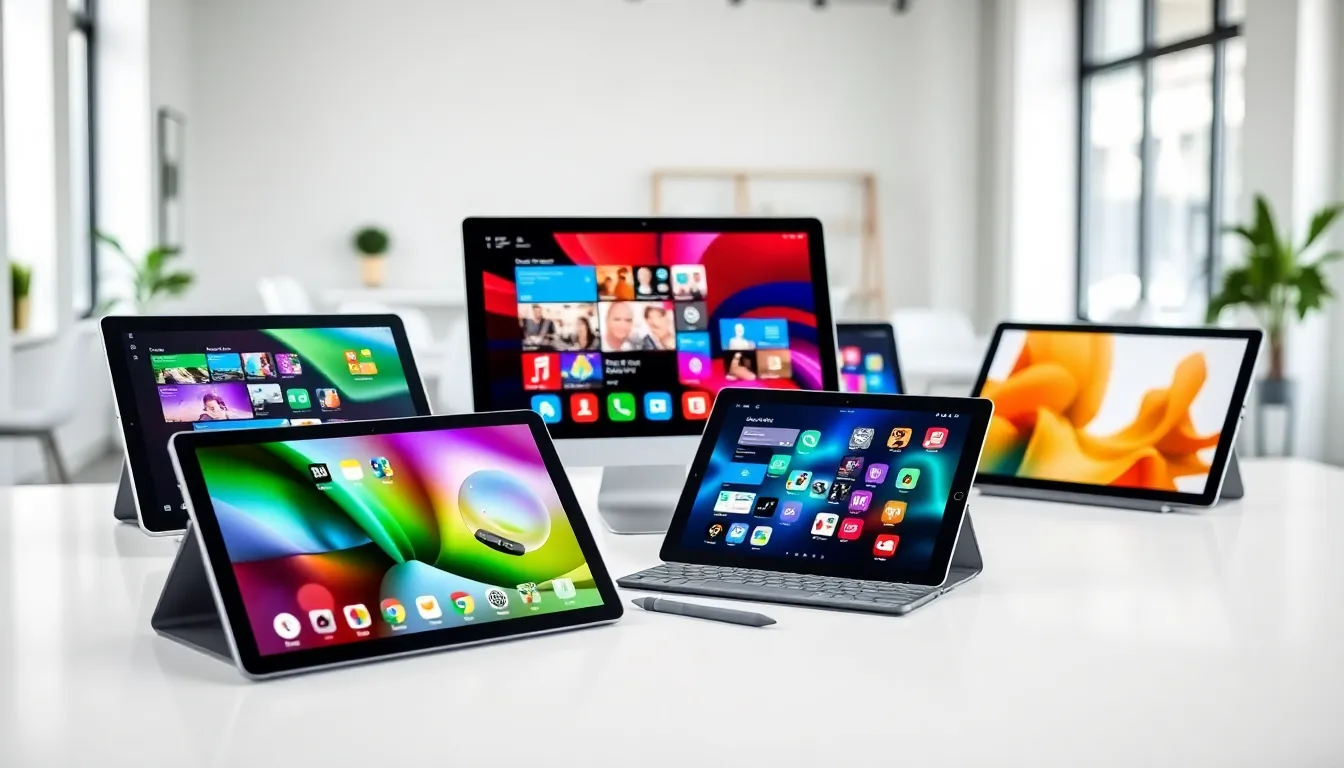
Tablets examples range from high-end productivity machines to affordable devices for everyday use. These portable touchscreen devices have become essential tools for work, entertainment, and education. In 2025, consumers can choose from dozens of tablet models across multiple price points and operating systems.
This guide covers the most popular tablets available today. It breaks them down by category, explains key features, and helps readers find the right device for their specific needs. Whether someone wants a premium tablet for professional work or a budget option for casual browsing, there’s a device that fits.
Table of Contents
ToggleKey Takeaways
- Tablets examples range from premium devices like the iPad Pro and Galaxy Tab S9 Ultra to budget-friendly options under $200.
- Choose a tablet based on your primary purpose—video editing demands power, while casual browsing works fine on basic models.
- Operating system choice matters: iPadOS offers the smoothest experience, Android provides more variety, and Windows runs full desktop apps.
- Screen sizes between 10-11 inches offer the best balance of portability and usability for most users.
- Budget tablets examples like the Amazon Fire HD 10 and Samsung Galaxy Tab A9+ deliver solid everyday performance without premium prices.
- Always factor in accessory costs like styluses, keyboards, and cases when calculating your total tablet investment.
What Is a Tablet?
A tablet is a portable computing device with a touchscreen display. It sits between a smartphone and a laptop in terms of size and capability. Most tablets feature screens ranging from 7 to 13 inches. They run mobile operating systems like iPadOS, Android, or Windows.
Tablets serve multiple purposes. Users can browse the internet, stream videos, read e-books, play games, and handle productivity tasks. Many tablets support stylus input for drawing and note-taking. Some models include keyboard accessories that transform them into laptop replacements.
The tablet market has grown significantly since Apple introduced the iPad in 2010. Today, major manufacturers include Apple, Samsung, Microsoft, Amazon, and Lenovo. Each brand offers tablets examples across different price ranges and use cases.
Tablets differ from laptops in a few key ways. They’re lighter and more portable. They boot instantly and offer longer battery life. But, they typically have less processing power and storage than traditional computers. This makes them ideal for consumption and light productivity rather than intensive computing tasks.
Popular Tablet Examples by Category
The tablet market offers options for every budget and use case. Here are the most notable tablets examples organized by category.
Premium Tablets
Premium tablets deliver top-tier performance, display quality, and build materials. They cost more but offer the best experience.
Apple iPad Pro (M4) stands as the flagship tablet in 2025. It features Apple’s M4 chip, a stunning OLED display, and support for the Apple Pencil Pro. Creative professionals and power users favor this device for video editing, graphic design, and multitasking.
Samsung Galaxy Tab S9 Ultra represents the Android tablet peak. Its 14.6-inch AMOLED display appeals to media enthusiasts. Samsung’s S Pen comes included, and the device supports DeX mode for desktop-like productivity.
Microsoft Surface Pro 10 bridges the gap between tablet and laptop. It runs full Windows 11, making it suitable for traditional desktop applications. Business users often choose this tablet for its flexibility and compatibility with existing software.
Budget-Friendly Tablets
Budget tablets examples prove that quality devices don’t require premium prices. These options handle everyday tasks well without very costly.
Amazon Fire HD 10 costs under $150 and works perfectly for streaming, reading, and casual gaming. It integrates deeply with Amazon’s ecosystem. The trade-off is a modified Android interface with limited app access.
Samsung Galaxy Tab A9+ offers a balanced experience around $270. It includes a solid display, decent performance, and access to the full Google Play Store. Families often buy this model as a shared household device.
Apple iPad (10th Generation) starts at $349. It provides the core iPad experience with Apple’s reliable software support. Students and casual users find it sufficient for most needs.
Tablets for Kids and Education
Tablets examples for kids prioritize durability, parental controls, and educational content.
Amazon Fire HD 10 Kids comes with a protective case and a one-year subscription to Amazon Kids+. The subscription includes thousands of books, games, and videos appropriate for children. Parents can set time limits and content filters through the Parent Dashboard.
Apple iPad with Kids Mode isn’t a separate product, but the standard iPad works well for education. Schools across the country deploy iPads for classroom learning. The device supports Apple’s Screen Time features and educational apps like Swift Playgrounds.
Samsung Galaxy Tab A9+ Kids Edition includes a rugged case and Samsung Kids features. It offers a safe browsing environment and age-appropriate content. The device suits children aged 3-12.
How to Choose the Right Tablet for Your Needs
Selecting from the many tablets examples requires understanding personal priorities. Several factors should guide this decision.
Purpose matters most. Someone who plans to edit videos needs a powerful processor and ample storage. A person who wants to read e-books and browse social media can get by with a basic model. Matching the tablet to its primary use prevents overspending or underperformance.
Operating system affects the experience. iPadOS offers the smoothest tablet interface and the best app optimization. Android provides more customization and price variety. Windows tablets run full desktop applications but may feel less optimized for touch input.
Screen size impacts portability and usability. Smaller tablets around 8 inches fit easily in bags and work well for reading. Larger tablets with 12+ inch screens excel for productivity and media consumption. Most users find 10-11 inch tablets the sweet spot.
Budget sets realistic boundaries. Premium tablets examples like the iPad Pro cost over $1,000. Capable mid-range options run $300-$500. Functional budget tablets cost under $200. Determining a budget first narrows the field quickly.
Accessories expand functionality. Consider whether a stylus, keyboard, or protective case matters. Some tablets include these items. Others require separate purchases that add to the total cost.
Battery life varies. Most tablets last 8-12 hours on a single charge. Users who travel frequently should prioritize models with longer battery endurance. Checking real-world battery tests provides more accurate expectations than manufacturer claims.